The problems costing your firm money may be the ones you can't see

Operational blind spots are repeated gaps in communication and decision-making you are unaware of until they show up as a loss.

Take the 6 question Blind Spot Self-Assessment

6 questions. Complete online. No call required.

See what that looks like in practice

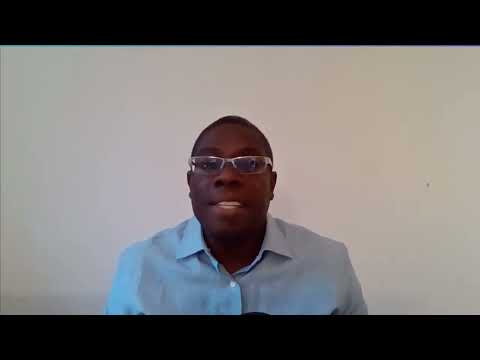
Preview of Andre Thomas's homepage video

One answer can be easy to explain away, a pattern across six recent situations is harder to ignore.

Each question asks you to think about what actually happened the last time a familiar situation came up.

Taken together, your answers can show whether the same kind of friction is appearing across different parts of the work, and whether there is something worth investigating more deeply.

The value is not in any one answer. It is in the pattern across all six.

Knowing something may be wrong is not the same as knowing where to focus

Blind Spot Self Assessment

Six questions give you a quick, low commitment view of whether everyday patterns may be creating friction you cannot yet see clearly.

If the assessment does not appear, open it in a new tab.

Blind Spot Diagnostic

18 questions identify which operational situations deserve closer attention and connect those patterns to the commercial areas in your firm they may be affecting.

Explore the Blind Spot Diagnostic

After the pattern is visible

Seeing the blind spot is only the beginning

A Diagnostic can reveal where your view and the reality of the work may be diverging. It cannot change the pattern by itself.

Focused 1:1 30-minute coaching sessions work on the specific situations revealed by the Diagnostic and TrustLytics. Real work, real decisions, real conversations and real leadership situations.

Clarity tells you where the problem is. Coaching helps you close the gap.

  • Make small, precise adjustments
  • Recognise when strengths become blind spots
  • Manage recurring patterns under pressure
  • Close the gap between intention and experience

What repeated patterns can affect in your firm

  1. Margin

    • Work gets revised more than it should and billable time is absorbed internally.
    • Write-downs are accepted without anyone understanding the repeated pattern behind them.
    • Billable time disappears into work that should not have needed doing twice.
  2. Capacity

    • Senior people keep taking work back that their teams should be able to handle.
    • Demanding work repeatedly lands with people who are already stretched, consuming management time.
    • Changes in scope create more work because nobody stopped to clarify what had changed.
  3. People

    • Meetings become quieter and problems are raised after they have already affected delivery.
    • Mistakes go unaddressed for longer than they should.
    • People wait to be asked rather than speaking up, and requests are completed later than needed.

When a second perspective matters

The Diagnostic shows how you read the situation.

TrustLytics adds how your team experiences it.

The difference between those views reveals the gap. It gives a clearer basis for deciding what needs attention, and where focused coaching can help close it.

Explore TrustLytics

Who we've worked with

  1. Vyman Solicitors logo
  2. AY&J Solicitors logo
  3. Immigration Advisory Services logo
  4. Myerson logo
  5. Charles Russell Speechlys logo